
Endocrine disruptors across generations in fish
Exposure to endocrine disrupting compounds at an early life stage can cause sex change in fishes, but little is known about how this influences population size or the overall fecundity of a population. We recently published work in Environmental Science and Technology describing how masculinization or feminization of group spawners such as Menidia species impacts overall reproductive output. In summation, we found that masculinization can be more detrimental than feminization.
Microplastics and Microfibers
Papers published in Scientific Reports and PeerJ demonstrate that silverside offspring sexual differentiation and fecundity, gene expression, as well as sex ratio, are influence by parental exposure to EDCs and increased temperatures. In ongoing work, silversides are being exposed to known EDCs to determine effects on gene expression and epigenetic effects (DNA methylation), and will soon be exposed with changes in salinity regimes and development of cell lines in mind. Some endpoints are being evaluated over three generations to examine the potential for trans-generational effects. This work was funded by the Environmental Protection Agency (EPA Science to Achieve Results) and the Delta Science Program.
At Oregon State, we are investigating microplastic occurrence in rockfish caught near marine reserves, in otter scat, and in California mussels outplanted at ten sites along the West coast. We also have a ongoing NSF funded project on assessing the risk of micro and nanoplastics to aquatic organisms. Related work was featured in the documentary A Plastic Ocean (2017) and Brander had the opportunity to speak on Capitol Hill in D.C. in February of 2024. Recent publications focus on effects in fish across different plastic types, and on the impacts of microplastics on invertebrates under conditions associated with climate change. We also demonstrated using museum specimens of myctophids caught from the 1960s to the 2010s that microplastic and microfiber ingestion is increasing over time. Brander and colleagues are also working towards informing delegates to the plastics treaty currently under negotiation on recommendations based on the latest scientific findings in the field.

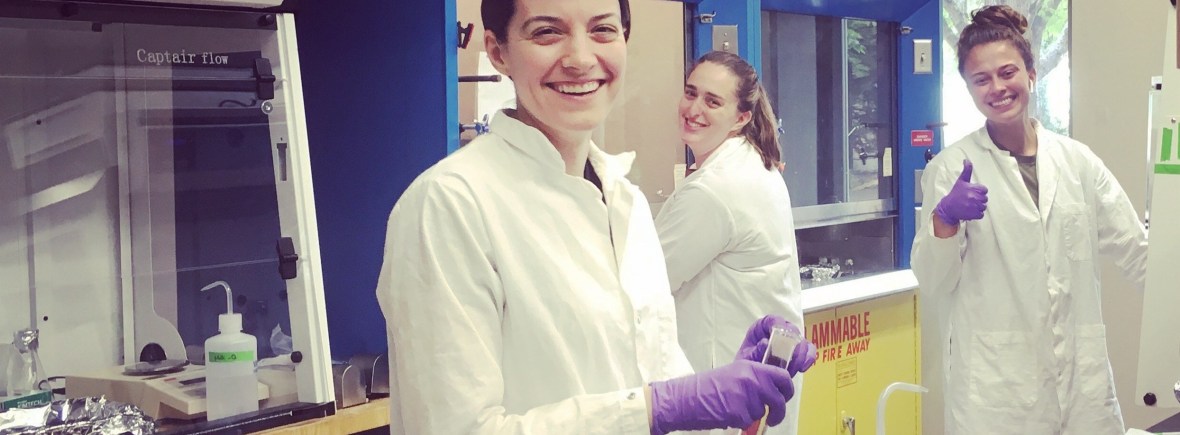
Daisy Youmans giving a demonstration in the microplastics clean room.
 Susanne M. Brander, Ph.D.